
How Manual Therapy Helps Athletes Recover from Sports Injuries
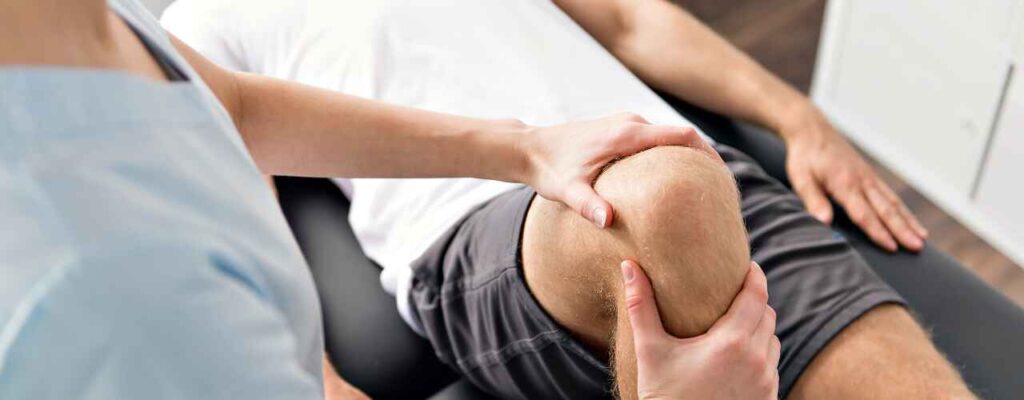
Recovering from a sports injury takes more than rest. Whether you’re dealing with a sprain, strain, or overuse condition, healing requires an active, structured approach. For many athletes, manual therapy for sports injuries offers a hands-on solution that reduces pain, restores movement, and supports a faster, safer return to activity—without relying on pain medications or passive treatments.
At Suburban Physical Therapy, physical therapists use manual therapy as part of individualized treatment plans that help athletes recover fully and move better. Below is a practical checklist showing how manual therapy works alongside functional rehab to support healing and reduce the risk of future injuries.
10 Ways Manual Therapy Speeds Up Recovery for Athletes
Manual therapy for sports injuries does more than ease discomfort. It supports long-term recovery by improving tissue quality, restoring joint function, and helping athletes move with confidence again. That’s why it’s a key part of treatment for both acute injuries and long-term overuse issues.
Use this guide to understand how manual therapy for sports injuries fits into a successful rehab plan—and what you can do to stay active during recovery.
1. Reopen Stiff Joints That Limit Your Game
After an injury, joint stiffness can limit your range of motion and change how you move. Manual joint mobilizations restore proper movement patterns and reduce extra stress on nearby muscles and joints. Early attention to joint mobility helps you get back to sport-specific movement with less compensation.
2. Break Up Scar Tissue and Release Muscle Tension
Manual therapy techniques—like soft tissue mobilization—reduce adhesions, relax tight muscles, and improve flexibility. This is especially helpful after muscle strains or surgical procedures when scar tissue limits motion or creates discomfort during movement.
3. Clear Out Swelling and Help Tissues Heal
Manual lymphatic techniques and light massage improve circulation and reduce post-injury swelling. Decreasing inflammation allows for quicker movement, faster pain reduction, and better tissue repair in the early stages of recovery.
4. Reboot Muscle Memory and Improve Coordination
After injury, the body often “forgets” how to move normally. Manual therapy provides proprioceptive feedback—stimulating your sense of body position and helping restore balanced movement. This is critical for regaining agility and control in the legs, hips, and core.
5. Stop Compensation Before It Starts
When one part of your body hurts, others pick up the slack. This compensation creates new strain and increases the risk of re-injury. Manual therapy identifies and corrects these faulty movement patterns before they become habits.
6. Pair Manual Work with Smart Strength Training
Manual therapy works best when it’s paired with active rehab. At Suburban Physical Therapy, therapists combine hands-on care with mobility drills, strength work, and sport-specific retraining. This combo helps you move better, faster—and with fewer setbacks.
7. Use Manual Therapy to Stay Ahead of Injury
Don’t wait until you’re sidelined. Regular manual therapy can catch minor restrictions before they lead to major injuries. For athletes with high training volume or recurring soreness, scheduled soft tissue work can reduce stiffness and improve recovery time.
8. Treat the Joints That Matter Most for Your Sport
Different sports put different demands on your body. Whether it’s shoulder work for swimmers, ankle mobility for runners, or hip control for soccer players—manual therapy targets the areas that take the most stress. Your treatment plan at Suburban Physical Therapy is built around what your sport demands.
9. Keep Up with Mobility Between Sessions
Your physical therapist will teach you how to support your recovery at home. Foam rolling, stretching, and simple self-mobilization techniques help maintain gains from each session. Consistency between visits matters—and keeps you progressing toward your goals.
10. Stay Flexible—Because Recovery Doesn’t Happen in a Straight Line
Progress can vary week to week. Your therapist at Suburban Physical Therapy monitors how you respond and adjusts your plan as needed. That flexibility helps avoid setbacks and ensures your care keeps pace with your healing.
Stronger, Smarter Recovery Starts Here
Athletes recovering from injury need more than rest. They need a plan that reduces pain, restores mobility, and builds long-term strength. Manual therapy for sports injuries is a trusted part of that plan—helping you return to sport with better mechanics, fewer restrictions, and less risk of re-injury.
At Suburban Physical Therapy, we specialize in personalized recovery plans that meet the demands of your sport and your body. Whether you’re managing a new injury or working through old pain, we’re here to help you recover efficiently—and perform at your best.
Contact Suburban Physical Therapy today to schedule your evaluation and start your recovery with confidence.